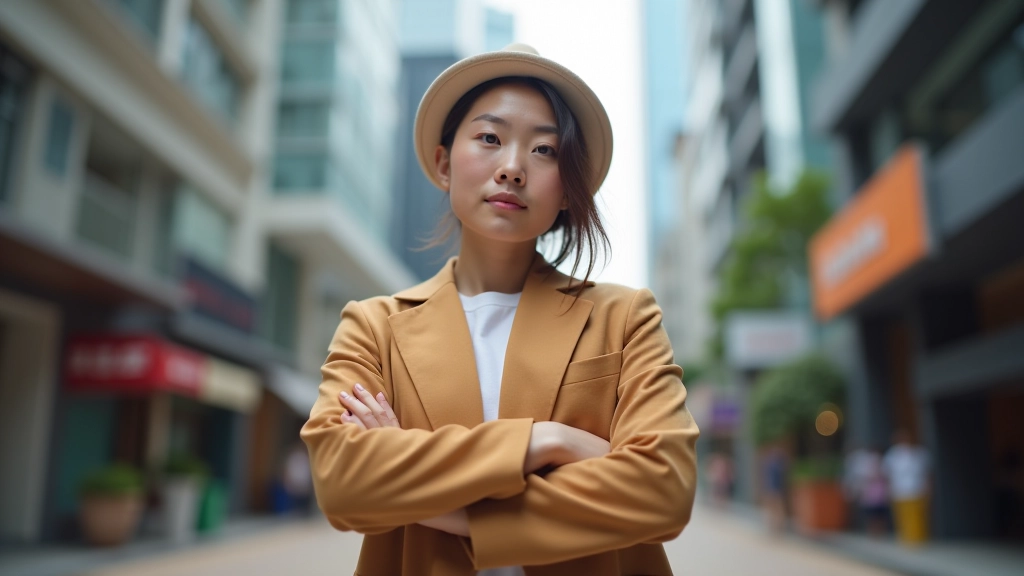
Body-Positive Mindset Practices for Hong Kong
Cultural pressures are real. We explore practical techniques for developing a healthier relationship with your body image, adapted for life in Hong Kong’s fast-paced environment.
Cultural pressures are real. We explore practical techniques for developing a healthier relationship with your body image, adapted for life in Hong Kong’s fast-paced environment.

Living in Hong Kong means navigating unique pressures around appearance. The competitive work culture, social media influence, and beauty standards create a specific kind of stress that’s hard to ignore. But here’s the thing — you don’t have to let these external messages define how you feel about yourself.
Body-positive practices aren’t about ignoring health or pretending challenges don’t exist. They’re about building a realistic, compassionate relationship with your body that actually supports your wellbeing. We’re talking practical shifts you can make starting today.
Studies show that body dissatisfaction affects approximately 60% of Hong Kong adults, particularly between ages 25-40. The constant exposure to curated social media images and workplace aesthetics standards creates a baseline of comparison that’s exhausting. What makes it harder is that many of us internalize these pressures without even realizing it’s happening.
These aren’t complicated or time-consuming. They’re designed to fit into your actual life in Hong Kong — whether you’re commuting on the MTR, working through lunch, or managing multiple responsibilities.
Pay attention to what actually makes you feel bad about your appearance. Is it a specific Instagram account? A colleague’s comment? Trying on clothes in a particular shop? Most of us have 2-3 specific triggers that hit harder than others. Once you know them, you can actively manage your exposure. You don’t need willpower — you need strategy.
Your phone, your social feeds, the people you follow — these shape your baseline for “normal.” Spend 15 minutes this week unfollowing accounts that make you feel worse about yourself. Follow people who look different from the narrow beauty standard. Follow people talking about bodies as functional rather than decorative. This sounds small, but it genuinely changes what you see daily.
Skip the generic “I’m beautiful” affirmations if they feel hollow. Instead, notice what your body actually does. “My legs carried me through a 10-hour workday.” “My arms hugged someone I care about.” “My stomach digested good food.” These statements are concrete, specific, and they shift focus from appearance to capability. Try three of these daily for two weeks.
Notice how often you critique your appearance out loud or in your head. “I look terrible today.” “My thighs look huge in these pants.” Now notice that nobody asked. You’re volunteering negative commentary about yourself. This week, practice just not saying it. Not because you’re denying reality, but because constant criticism doesn’t help anything. It just compounds the discomfort.
This is important. Body-positive doesn’t mean ignoring health. It means the motivation changes. You might exercise, but you’re doing it because movement makes you feel good and energized — not because you hate your body. You might adjust your eating, but because you’re listening to what actually fuels you well — not because you’re punishing yourself. The action might look similar, but the internal relationship is completely different.


These practices work best when you don’t try to do everything at once. Pick one. Just one. Try it for a full week without adding anything else. You’ll probably notice something shifting — maybe subtle, maybe not. Then add the second one.
The challenge isn’t complexity. It’s consistency. Your brain has been trained by years of messaging to automatically compare, critique, and judge. Rewiring that takes repetition, not intensity. Three minutes of deliberate practice daily beats occasional all-in efforts.
And be honest about what you’re actually willing to do. If you hate journaling, don’t journal. If you’re not going to curate your Instagram, don’t force it. Pick the practices that feel sustainable for your actual life, not the ones that sound good in theory.
Someone will comment on your appearance. A colleague, a family member, a friend — it’ll happen. You won’t have a prepared response ready. That’s normal. You don’t need one. “Thanks for sharing” is a complete sentence. You’re not obligated to defend your body or explain your choices to anyone.
You’ll scroll past someone’s photo and feel that old pull. That comparison spiral will start. This doesn’t mean you failed. It means you’re human. Notice it. Don’t judge yourself for noticing it. Just keep scrolling. The practice isn’t never comparing — it’s noticing and moving on.
After a few weeks, you might wonder if anything’s actually changing. It is. The changes are subtle — you caught yourself mid-criticism and stopped. You scrolled past something without spiraling. You got dressed without analyzing yourself in the mirror. These count. They matter. They’re exactly how lasting change happens.
You’ll miss a day of your practice. You’ll mess up and say something critical about your appearance. You’ll see a triggering image and feel bad. That’s not failure — that’s Tuesday. The practice isn’t about being perfect at body positivity. It’s about being slightly more kind to yourself than you were before.
Here’s a specific framework that works. Not because it’s magical, but because it breaks the work into manageable pieces.
Don’t try to fix anything yet. Just notice. When do you feel worst about your appearance? What specific thoughts come up? What triggers them? Keep a simple note on your phone. This data matters — you’re identifying patterns.
Pick one practice from the five above. The one that feels most relevant to your triggers. Practice it daily. Don’t add anything else. Don’t try to be perfect. Just do it consistently.
If the first practice is feeling natural, add a second one. Keep doing both. Notice what’s shifting. You might notice you’re less reactive, or you’re catching yourself sooner, or you’re just slightly kinder in your internal dialogue.
What’s working? What feels forced? Keep the practices that are sustainable. Drop the ones that aren’t. This isn’t about following a perfect system — it’s about building something that actually fits your life.

You won’t wake up one day feeling completely at peace with your body. That’s not how this works. What you’ll notice is incremental. A moment where you got dressed without self-criticism. A scroll past something triggering without spiraling. A day where you didn’t volunteer negative commentary about yourself.
These moments accumulate. They build a different baseline. Not because you’re ignoring reality or pretending to feel something you don’t. But because you’re gradually shifting from self-judgment to self-compassion. From criticism to curiosity. From “what’s wrong with my body” to “what does my body need.”
In Hong Kong’s fast-paced environment, this shift is radical. It’s you saying no to the constant messaging that your worth is tied to your appearance. It’s you building an internal compass that matters more than external judgment.
Start this week. Pick one practice. Give it a full seven days. You’ll notice something. That’s where the real work begins.
This article provides educational information about body-positive mindset practices and is not a substitute for professional mental health support. If you’re experiencing significant body image distress, disordered eating patterns, or mental health challenges, please consult with a licensed psychologist, therapist, or medical professional. The practices described here are complementary approaches and should not replace professional treatment when needed.